Indonesia’s 17 October 2026 Mandatory Halal Law: What It Quietly Changes for Bali Travellers
 Halal Luxury Bali Editorial Desk
On October 17, 2026, Indonesia’s mandatory halal certification law will enforce significant changes impacting travelers to Bali. From this date, all imported food and beverages, as well as micro, small and medium enterprises (MSMEs), must comply with halal certification, shaping dining experiences and labeling practices. This pivotal shift will ensure that Muslim travelers can enjoy their Bali experience without concerns regarding the halal status of the food and beverages they consume.
Understanding Indonesia’s Mandatory Halal Law
Indonesia’s Halal Product Assurance Law (Law 33/2014) represents a pivotal legal framework aimed at safeguarding halal product consumption throughout the country. Its enforcement, particularly through Government Regulation 42/2024, will become more stringent beginning October 17, 2026. This legislation mandates that all food and beverage products, including those imported, secure halal certification. This requirement is a significant development, given Indonesia’s position as the world’s largest Muslim-majority country, emphasizing the importance of halal compliance both domestically and for international travelers.
With the implementation of this law, the landscape for food and beverage producers in Indonesia will change dramatically. Notably, the Badan Penyelenggara Jaminan Produk Halal (BPJPH), the national halal agency, will be primarily responsible for issuing certifications that bear the unified ‘Halal Indonesia’ logo. This development marks a shift from the historical role of the Majelis Ulama Indonesia (MUI) as the sole certifying body, although MUI remains influential in religious guidance and certification processes. The collaboration between BPJPH and MUI ensures that certification maintains both the highest quality standards and religious adherence.
Impact on Bali’s Gastronomic Scene
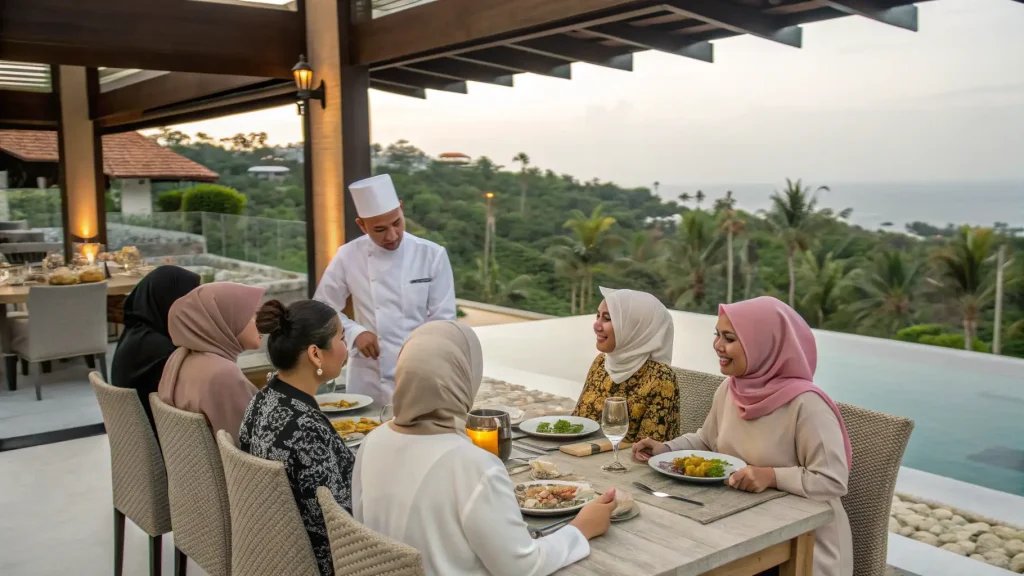
Bali, known for its dynamic culinary landscape, will see significant transformations due to the halal law. Restaurants and food vendors will be obliged to display the ‘Halal Indonesia’ logo if certified, or clearly label products as non-halal, leaving no ambiguity for Muslim travelers. This change will transform the island’s dining scene, ensuring transparency and simplifying the dining choices for Muslim tourists who can now explore Bali’s rich culinary offerings with confidence.
Upscale venues like the Tamarind Mediterranean Restaurant at Nusa Dua Beach Hotel & Spa have already embraced MUI certification, ensuring that their offerings align with halal requirements. This restaurant, located in the luxurious setting of Nusa Dua, offers a diverse menu that includes Mediterranean delights fused with Indonesian flavors, making it an enticing option for a fine dining experience. Alongside Tamarind, other establishments such as Jejaton at The Stones Legian and Lumbung at Courtyard Marriott provide a range of halal-certified meals, creating a welcoming atmosphere for Muslim tourists seeking dining options where they can enjoy a meal without concern.
Bali’s Halal Dining Spots by Region
Nusa Dua emerges as a prominent area for halal dining, featuring establishments like Tamarind, where guests can enjoy Mediterranean and Indonesian dishes with mains priced between USD 15-25. This area is well-regarded for its upscale resorts and notable beaches, attracting visitors seeking both relaxation and culinary excellence. Jejaton offers a modern Indonesian set menu ranging from USD 25-35, featuring dishes that highlight traditional Indonesian spices and cooking methods. Lumbung provides a buffet experience between USD 18-25, perfect for those looking to sample a variety of Indonesian specialties in one sitting.
In Seminyak, options such as Istanbul Corner serve Turkish platters priced at USD 15-22, allowing guests to enjoy in authentic Turkish flavors. Tagine Bali presents a Moroccan set menu for USD 25-35, where diners can experience the rich, aromatic spices typical of North African cuisine. For a taste of halal Indonesian seafood, Bale Udang Mang Engking on Sunset Road serves family platters from USD 35-60, accommodating both small gatherings and larger family events. This diversity in halal dining options ensures that travelers can enjoy a wide range of international and local cuisines.
Muslim-Friendly Luxury Accommodations
For travelers seeking luxurious stays that cater to Muslim-friendly practices, several accommodations provide facilities such as private pools, prayer mats, qibla directions, and no-pork or no-alcohol arrangements upon request. The Mulia & Mulia Villas in Nusa Dua offers rooms and villas from USD 350 to 1,200 per night, set within a lavish beachfront property known for its opulent design and exceptional service. The St. Regis Bali, with its exquisite pool suites and villas ranging from USD 700 to 2,000, promises an experience of luxury and tranquility.
Other notable options include the Four Seasons Jimbaran Bay, with 1-bedroom villas priced at USD 800-1,500, set amid lush gardens and overlooking the ocean. AYANA/RIMBA Jimbaran, where villa rates range from USD 700-1,200, offers a serene retreat with notable amenities. Six Senses Uluwatu provides pool villas for USD 600-1,000, set atop dramatic cliffs with striking panoramic views. Bulgari Resort Bali caters to a high-end audience with pool villas ranging from USD 1,200 to 2,500, favored by guests from the Gulf Cooperation Council who appreciate its blend of luxury and privacy.
Navigating Certification Authorities
The shift towards BPJPH’s role in issuing halal certifications represents a new chapter for Indonesia’s halal assurance landscape. Travelers to Bali need to be aware of both BPJPH and MUI, as they continue to play integral roles in certification and endorsement processes. BPJPH’s role includes ensuring that the certification process is both efficient and compliant with international halal standards, providing an additional layer of assurance for global visitors.
While BPJPH is tasked with the nationwide implementation and monitoring of the halal certification system, MUI continues to offer religious guidance. This duality ensures that the certification process remains robust and aligned with Islamic law, providing peace of mind for visitors seeking halal assurance. The presence of both bodies guarantees that the certification remains both religiously sound and internationally recognized, fostering trust among Muslim consumers visiting Bali.
What Travelers Should Expect Post-2026
Beyond 2026, travelers to Bali can expect a more transparent halal landscape. With the enforcement of clear labeling and certification requirements, dining and shopping for halal products will become more straightforward. The presence of the ‘Halal Indonesia’ logo will serve as a reliable guide for those adhering to dietary laws, making it easier to identify compliant venues and products throughout the island.
As MSMEs across Bali adapt to these regulations, visitors may notice an increased availability of halal options, extending beyond restaurants to include packaged goods and souvenirs. This shift will enhance the island’s appeal to Muslim travelers and reinforce Bali’s commitment to inclusive tourism. The changes will likely encourage more visitors from Muslim-majority countries, further diversifying Bali’s tourist demographic and enriching its cultural notable.
Preparing for the Halal Certification Milestone
As the October 17, 2026 deadline approaches, businesses in Bali are ramping up efforts to comply with the new halal certification requirements. This milestone marks not just a legal obligation but an opportunity for businesses to expand their customer base by appealing to the growing market of halal-conscious consumers.
From local eateries to international hotel chains, the preparation involves both logistical and educational efforts. Businesses must understand the certification process, train staff on halal compliance, and adjust their supply chains to ensure all products meet the necessary standards. This proactive approach not only ensures compliance but also builds a reputation for inclusivity and respect for Islamic dietary laws, attracting a broader clientele.
FAQs
Q? What is the significance of Indonesia’s 17 October 2026 halal law for travelers?
A: The law mandates that all imported food, beverages, and MSMEs secure halal certification, ensuring clear halal labeling, which simplifies dining choices for Muslim travelers.
Q? How does the halal certification process work in Bali?
A: The BPJPH issues the ‘Halal Indonesia’ logo, with MUI providing religious guidance. Venues must display certification or label products as non-halal, offering clear options for diners.
Q? What accommodations in Bali cater to Muslim-friendly needs?
A: Several luxury hotels, such as The Mulia & Mulia Villas and The St. Regis Bali, offer amenities like prayer mats and no-pork/no-alcohol setups, ensuring a comfortable stay.
For wider arrangements, our partner baliluxurytransport can coordinate end to end.
See also: Is Bali Muslim-Friendly? The Honest 2027 Guide for First-Time Halal Travellers · Home.