How to Read the Halal Indonesia Logo Like a Pro: MUI vs BPJPH Labels Explained
 Halal Luxury Bali Editorial Desk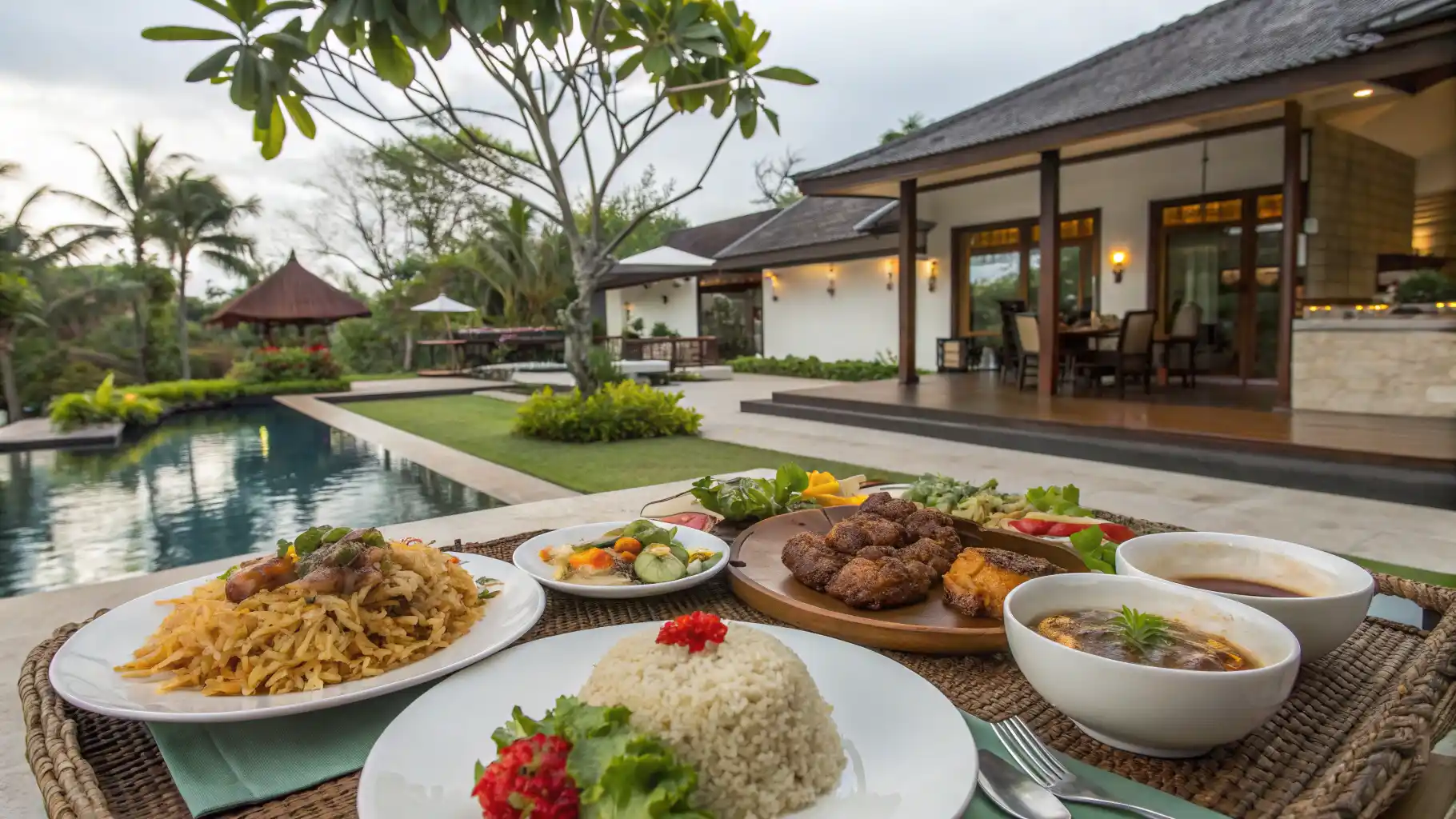
Understanding the Halal Indonesia logo is crucial for travelers visiting Bali, especially with the new regulations set to take full effect in 2026. There are two main labels: the historic MUI and the newer BPJPH. This guide will help you differentiate between them, ensuring informed choices during your stay.
Understanding Indonesia’s Halal Certification Regime
The landscape of halal certification in Indonesia is evolving rapidly. According to Law 33/2014, further cemented by Government Regulation 42/2024, the country aims to standardize the certification process. This regulation stipulates that starting from October 18, 2026, all imported food and beverages, as well as locally produced items by Micro, Small, and Medium Enterprises (MSMEs), must be halal-certified. The enforcement of this rule ensures that there is no neutral ground—products are either halal-certified or labeled as non-halal.
With this regulation, travelers visiting Indonesia, particularly Bali, after this date can expect to see clear labeling on food products and restaurant menus. The goal is to provide transparency and assurance to consumers, especially those with dietary restrictions based on religious beliefs. The significance of this milestone is underscored by the active enforcement date, making it crucial for businesses to comply promptly to avoid penalties.
The Role of BPJPH: The National Certification Authority
The Badan Penyelenggara Jaminan Produk Halal (BPJPH) is the national agency responsible for issuing the unified ‘Halal Indonesia’ logo. Established to streamline the halal certification process across the country, BPJPH provides a standardized approach that aligns with global halal standards while catering to local needs.
BPJPH’s certification process involves rigorous checks and balances to ensure compliance with halal standards. This includes evaluating ingredients, production processes, and supply chain management. The agency works closely with local and international bodies to maintain the integrity and credibility of the halal certification. For travelers, the BPJPH logo on products and venues serves as a reliable indicator of compliance with Indonesia’s halal regulations.
MUI’s Legacy and Its Continuing Importance
The Majelis Ulama Indonesia (MUI) has been a pioneer in halal certification in the country. Before the establishment of BPJPH, MUI was the sole authority responsible for issuing halal certifications. Their process involved thorough scrutiny by Islamic scholars to ensure that all certified products and services adhere to Islamic dietary laws.
Even with the advent of BPJPH, MUI’s role remains significant. Many businesses still seek MUI certification due to its longstanding reputation and credibility. For instance, the Tamarind Mediterranean Restaurant at Nusa Dua Beach Hotel & Spa proudly displays its MUI certification, offering patrons a sense of trust and assurance. MUI-certified establishments are highly regarded, making them a preferred choice for many halal-conscious travelers.
Muslim-Friendly Dining in Bali
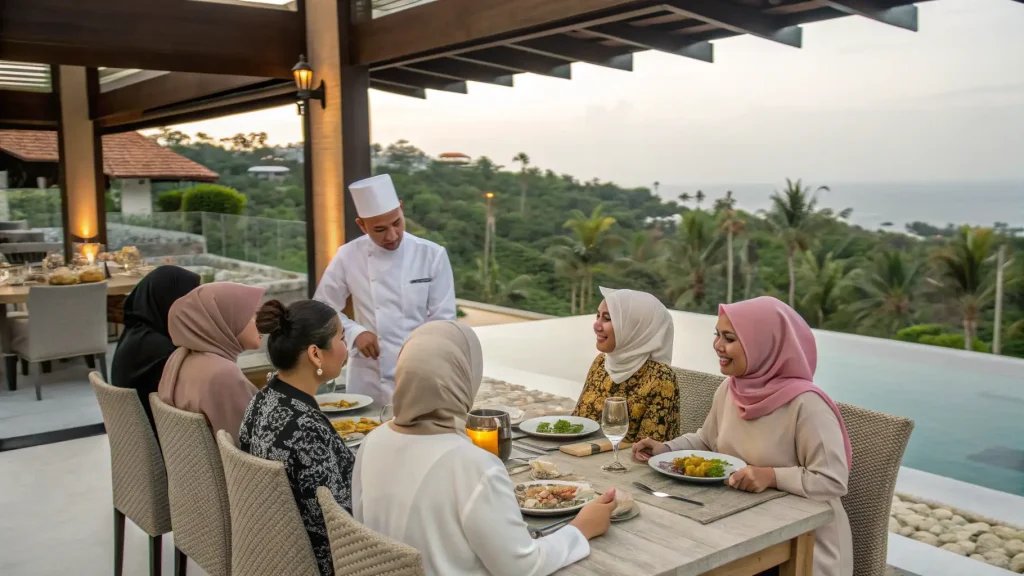
Bali offers a range of upscale dining options catering to Muslim travelers. In Nusa Dua, Tamarind Mediterranean Restaurant blends Mediterranean and Indonesian cuisines, with main dishes priced between USD 15 and 25. Another popular choice is Jejaton at The Stones Legian, which serves modern Indonesian cuisine with set menus ranging from USD 25 to 35. For buffet enthusiasts, Lumbung at Courtyard Marriott offers a variety of options priced between USD 18 and 25.
In the lively area of Seminyak, Istanbul Corner offers Turkish delights with platters costing between USD 15 and 22. Tagine Bali provides a Moroccan culinary experience with set menus priced from USD 25 to 35. For seafood lovers, Bale Udang Mang Engking on Sunset Road provides halal Indonesian seafood, with family platters ranging from USD 35 to 60. These venues not only offer delicious meals but also adhere to halal standards, ensuring peace of mind for Muslim travelers.
Accommodation Options for Muslim Travelers
Bali’s hospitality scene is increasingly accommodating to the needs of Muslim travelers. Luxury resorts offer facilities such as private pools and can provide prayer mats and qibla directions upon request. The Mulia & Mulia Villas in Nusa Dua offer accommodations ranging from USD 350 to 1,200 per night. The St. Regis Bali features pool suites from USD 700 to 1,000 and villas from USD 1,200 to 2,000, ensuring luxury and comfort.
Other notable options include the Four Seasons Jimbaran Bay with one-bedroom villas priced between USD 800 and 1,500 per night, and the AYANA/RIMBA Jimbaran with villas ranging from USD 700 to 1,200. For those seeking a unique experience, Six Senses Uluwatu offers pool villas from USD 600 to 1,000, while the Bulgari Resort Bali provides opulent pool villas from USD 1,200 to 2,500, known for its appeal to GCC travelers. These resorts ensure a Muslim-friendly environment, with no pork or alcohol in room setups, allowing for a comfortable stay.
Key Differences Between MUI and BPJPH Logos
While both the MUI and BPJPH logos serve the purpose of certifying halal products and services, they have distinct features. The MUI logo has been around for decades and is recognized for its traditional design and deep-rooted trust among consumers. It is commonly found on products and venues that have been certified by the religious authority’s stringent processes.
On the other hand, the BPJPH logo represents a modern and unified approach to halal certification in Indonesia. It signifies compliance with national standards and is part of a broader initiative to standardize halal certification across the country. For travelers, understanding these differences is essential for making informed choices and recognizing the credibility associated with each logo.
FAQs
Q? What changes can travelers expect in Bali regarding halal certification by 2027? A: By 2027, travelers can expect all food establishments and products in Bali to either display the ‘Halal Indonesia’ logo from BPJPH or be labeled as non-halal. This change ensures clarity and compliance with Indonesian regulations.
Q? How can I identify if a restaurant is halal-certified in Bali? A: Look for the ‘Halal Indonesia’ logo or MUI certification displayed at the restaurant. These logos indicate that the establishment adheres to halal standards, providing assurance to Muslim travelers.
Q? Are there any luxury accommodations in Bali that cater to Muslim travelers? A: Yes, several luxury accommodations cater to Muslim travelers, offering facilities like private pools and prayer mats upon request. Options include The Mulia & Mulia Villas Nusa Dua, The St. Regis Bali, and Bulgari Resort Bali, among others.
For wider arrangements, our partner baliluxurytransport can coordinate end to end.
See also: Is Bali Muslim-Friendly? The Honest 2027 Guide for First-Time Halal Travellers, Indonesia’s 17 October 2026 Mandatory Halal Law: What It Quietly Changes for Bali Travellers · Home.