Zabihah vs Halal-Certified: What GCC & UK Muslims Should Know Before Eating in Bali
 Halal Luxury Bali Editorial Desk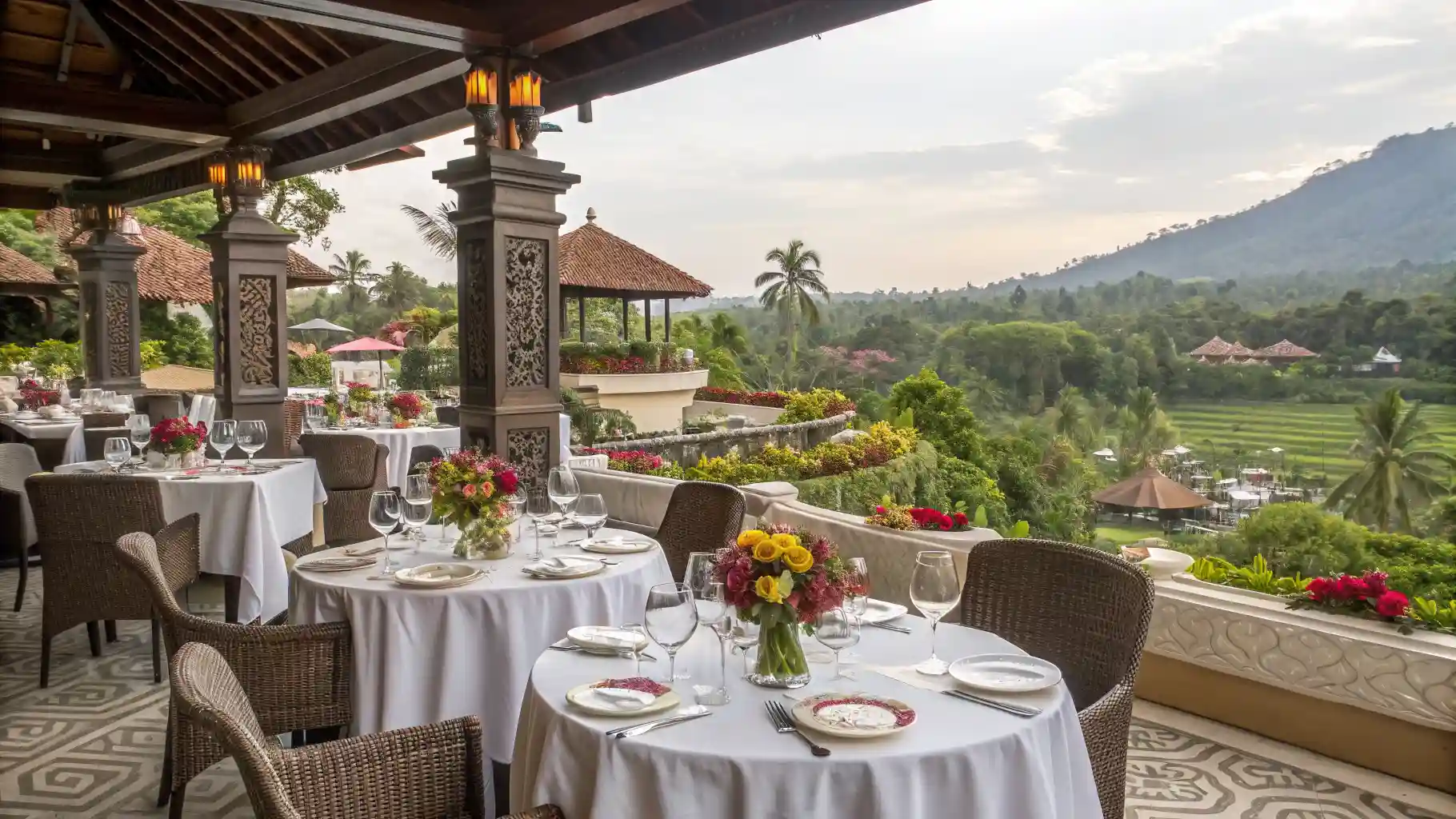
When deciding where to eat in Bali, it’s crucial for GCC & UK Muslims to understand the difference between Zabihah and Halal-certified. As Indonesia’s stringent halal certification laws become mandatory in 2026, discerning between these terms ensures dietary compliance and peace of mind for Muslim travelers.
Understanding Zabihah and Halal Certification
The terms Zabihah and Halal-certified often appear interchangeable but have distinct meanings. Zabihah refers specifically to the method of slaughtering animals in compliance with Islamic law, a process that includes invoking the name of Allah before the slaughter. This ensures that the meat is permissible for consumption by Muslims. In contrast, Halal-certified encompasses a more extensive range of criteria. It implies that not only the meat but also the entire production process, ingredients, and even utensils used adhere to Islamic guidelines.
In the context of Bali, particularly for Muslim travelers from the GCC and the UK, understanding these distinctions is crucial. Indonesia is predominantly Muslim, yet Bali, a Hindu-majority island, has diverse culinary offerings. With the upcoming enforcement of Indonesia’s mandatory halal certification regime, Muslim visitors can expect clearer labeling and assurance of halal standards.
The distinction becomes even more critical as many restaurants in Bali offer international cuisines that may not traditionally adhere to halal practices. Understanding the thoroughness of halal certification, which covers all aspects of food preparation, allows travelers to dine with confidence. Additionally, as more establishments seek halal certification, visitors will find a broader range of options that meet religious dietary needs, enhancing their overall travel experience.
Indonesia’s New Halal Certification Regulations
Indonesia’s new halal certification regulations, under Law 33/2014, will reach a significant milestone on October 17, 2026. From this date, all imported food and beverages, as well as MSMEs (Micro, Small, and Medium Enterprises), must be halal-certified. The BPJPH (Badan Penyelenggara Jaminan Produk Halal) will enforce these regulations, ensuring that restaurants and shops display the official ‘Halal Indonesia’ logo or explicitly label products as non-halal.
This stringent regulation eliminates any neutral ground for businesses, making it essential for establishments to declare their status clearly. This change aims to provide clarity and assurance to Muslim consumers, particularly tourists who rely on halal certification to make informed dining choices. By 2027, Bali’s culinary scene will reflect these changes prominently.
The law impacts not only food and beverage industries but also other sectors such as pharmaceuticals and cosmetics, which will need to comply with halal standards. As businesses adapt, the local economy may see an increase in costs associated with certification and compliance, but it also opens new market opportunities for halal-certified products. The transition period leading up to 2026 is crucial for businesses to align with the new standards and for consumers to become familiar with the changes.
Role of MUI and BPJPH in Certification
The Majelis Ulama Indonesia (MUI) has historically been the primary authority for halal certification. Their seal of approval has been a trusted mark for decades. However, with the establishment of the BPJPH, the certification process has undergone significant changes. BPJPH now issues the unified ‘Halal Indonesia’ logo, which will become the standard marking for all certified products and establishments.
For travelers, this transition means that both MUI and BPJPH-certified venues are reliable. Notable MUI-certified venues in Bali include the Tamarind Mediterranean Restaurant at Nusa Dua Beach Hotel & Spa. These places adhere to high standards, ensuring that food preparation and presentation meet strict halal criteria.
The collaboration between MUI and BPJPH represents a significant advancement in Indonesia’s halal ecosystem, ensuring consistency and trustworthiness in halal certification. The standardization brought by BPJPH enables international tourists to easily recognize and trust the halal status of products and services in Bali, enhancing their travel experience. This also encourages local businesses to expand their market reach beyond Indonesia, appealing to the growing global demand for halal products.
Upscale Halal Dining in Bali
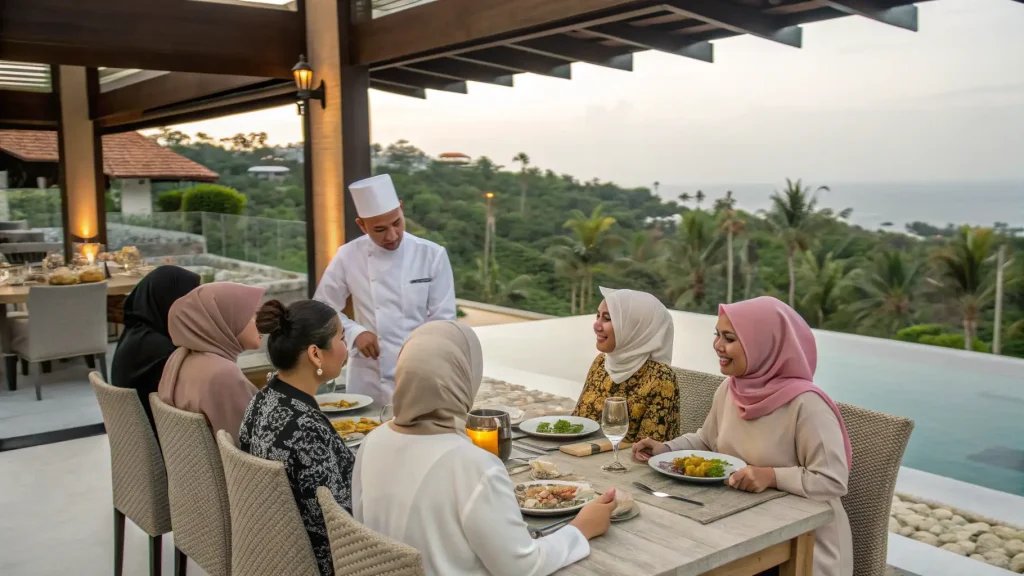
Bali offers a variety of upscale dining options that cater to the halal requirements of Muslim travelers. In the Nusa Dua area, Tamarind offers a menu featuring Mediterranean and Indonesian dishes, with main courses priced between USD 15-25. Another notable venue is Jejaton at The Stones Legian, known for its modern Indonesian set menu priced at USD 25-35. Lumbung at Courtyard Marriott offers a diverse buffet ranging from USD 18-25.
In Seminyak, Istanbul Corner presents authentic Turkish meals with platters priced at USD 15-22. Tagine Bali offers a Moroccan dining experience with set menus ranging from USD 25-35. For seafood lovers, Bale Udang Mang Engking on Sunset Road provides halal Indonesian seafood, with family platters priced between USD 35-60. These venues ensure a luxurious dining experience while maintaining strict adherence to halal guidelines.
These dining establishments are not only known for their adherence to halal practices but also for their exceptional service and ambiance. Many of these restaurants offer striking views and unique cultural experiences, making them popular among both tourists and locals. Furthermore, by 2027, these establishments will proudly display the ‘Halal Indonesia’ logo, giving Muslim travelers the confidence to explore Bali’s lively culinary scene without compromising their dietary beliefs.
Muslim-Friendly Luxury Accommodations
Bali’s hospitality industry caters well to the needs of Muslim travelers seeking luxury accommodations with Muslim-friendly amenities. The Mulia & Mulia Villas in Nusa Dua offer rooms and villas priced between USD 350-1,200 per night, providing private pools and prayer facilities upon request. Similarly, The St. Regis Bali offers pool suites from USD 700-1,000 and villas ranging from USD 1,200-2,000, complete with no-pork and no-alcohol setups.
The Four Seasons Jimbaran Bay, with one-bedroom villas priced from USD 800-1,500, and AYANA/RIMBA Jimbaran, with villas from USD 700-1,200, provide a luxurious stay with similar amenities. Six Senses Uluwatu offers pool villas between USD 600-1,000, while Bulgari Resort Bali, popular among GCC travelers, offers pool villas ranging from USD 1,200-2,500. These accommodations ensure a comfortable and compliant stay for Muslim visitors.
These luxury resorts not only meet the religious requirements of Muslim guests but also offer exquisite facilities and services, including notable spas, fine dining options, and access to some of Bali’s most beautiful beaches. Many of these resorts are located in serene environments, providing a perfect retreat for relaxation and spiritual reflection. The commitment to catering to Muslim guests by offering tailored services reflects Bali’s dedication to inclusivity and hospitality.
Preparing for the 2026 Halal Certification Milestone
As the 2026 milestone approaches, businesses in Bali are preparing for complete adherence to the new halal certification requirements. This preparation involves not only obtaining the necessary certification but also training staff, changing supply chains, and modifying kitchen and storage practices to meet halal standards.
For travelers, this transition means increased trust in the halal integrity of food and accommodations. With clearer labeling and standardized certification marks, Muslim tourists can enjoy their stay in Bali with the assurance that their dietary and religious practices are respected and accommodated. The upcoming changes reflect Indonesia’s commitment to maintaining its position as a leading destination for Muslim-friendly tourism.
Moreover, this shift presents an opportunity for Bali to attract more Muslim travelers from around the world, creating an environment where cultural and religious diversity is celebrated. Businesses are also exploring partnerships with international halal organizations to promote Bali as a premier halal tourism destination, contributing to Indonesia’s economic growth and global visibility in the halal market.
FAQs
Q? What is the difference between Zabihah and Halal-certified food in Bali? A: Zabihah refers to meat that is slaughtered according to Islamic law, while Halal-certified covers the entire food production process, ensuring it adheres to Islamic principles. By 2027, Bali will have mandatory labeling, making it easier for Muslims to identify compliant foods.
Q? How will Indonesia’s new halal certification laws impact tourists in Bali? A: Starting in October 2026, all businesses in Bali must display the ‘Halal Indonesia’ logo or label products as non-halal, providing clear guidance for Muslim tourists. This ensures that travelers can enjoy their meals with assurance of halal compliance.
Q? Are there luxury accommodations in Bali that cater to Muslims? A: Yes, several luxury accommodations in Bali, such as The Mulia & Mulia Villas, The St. Regis Bali, and Bulgari Resort, provide Muslim-friendly amenities including private pools, prayer mats, and no-pork/no-alcohol setups, ensuring a comfortable stay for Muslim travelers.
For wider arrangements, our partner baliluxurytransport can coordinate end to end.
See also: Indonesia’s 17 October 2026 Mandatory Halal Law: What It Quietly Changes for Bali Travellers, How to Read the Halal Indonesia Logo Like a Pro: MUI vs BPJPH Labels Explained · Home.